Lifestyle Trends in 2026 How People Are Redefining Wellness Travel Work and Everyday Living
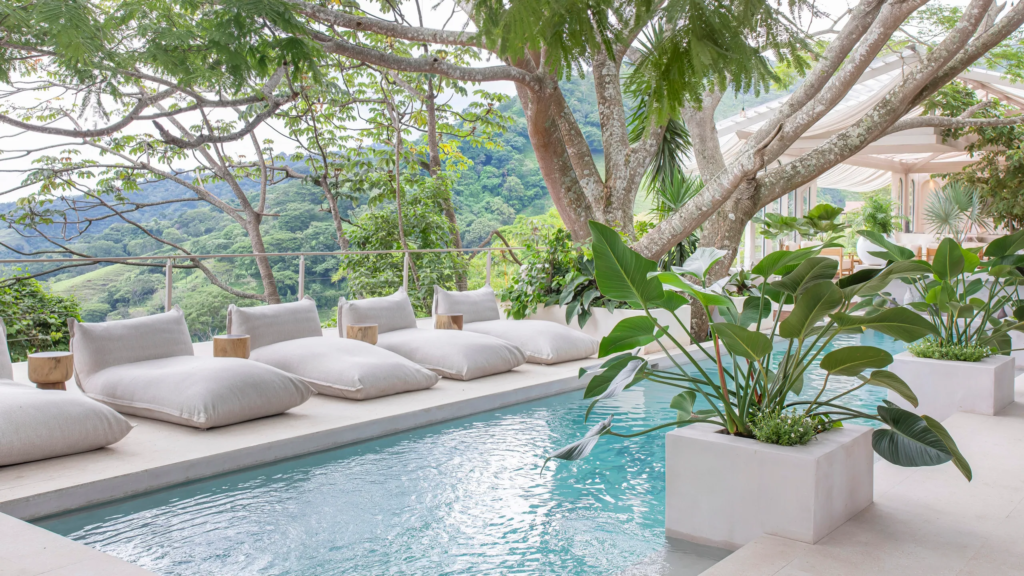
Lifestyle trends in 2026 are increasingly centered around balance, convenience, personal well-being and meaningful experiences. As technology continues to influence everyday life, people are also becoming more interested in slowing down, spending time outdoors, improving their health and creating living spaces that support their personal needs.
From wellness and travel to fashion, food and digital habits, the modern lifestyle is changing in response to new technology, economic conditions and evolving consumer preferences.
Wellness Is Becoming a Daily Priority
Wellness continues to be one of the strongest lifestyle trends in 2026.
People are increasingly looking beyond traditional fitness and focusing on overall well-being. Exercise, healthy nutrition, quality sleep, stress management and time away from digital devices are becoming important parts of everyday routines.
The wellness industry is also becoming more personalized. Wearable devices and health applications can help people monitor activity, sleep patterns and other personal metrics.
However, many people are also recognizing that wellness does not need to involve expensive products or complicated routines. Simple habits such as regular movement, adequate rest and spending time with family and friends can contribute to a healthier lifestyle.
Digital Balance Is More Important
Technology has become an essential part of modern life, but constant connectivity can also create challenges.
In 2026, digital wellness is becoming an increasingly important conversation. People are looking for ways to use smartphones, social media and digital entertainment without allowing technology to dominate their daily lives.
Digital breaks, notification management and screen-free periods are becoming common strategies.
The goal is not necessarily to eliminate technology but to use it more intentionally. People are increasingly asking whether an app or digital service genuinely improves their lives before giving it more time and attention.
Travel Is Focused on Experiences
Travel remains a major lifestyle interest, but the way people travel is changing.
Many travelers are increasingly interested in experiences rather than simply visiting famous tourist attractions. Local food, cultural activities, nature, wellness retreats and slower travel are becoming attractive alternatives to highly structured itineraries.
Travelers are also looking for greater flexibility. Remote and hybrid work arrangements allow some people to combine work with extended stays in different locations.
Instead of rushing through multiple destinations, travelers may choose to spend more time in one place and experience local culture more deeply.
Nature and Outdoor Activities Are Popular
Spending time outdoors continues to attract people who want a break from busy urban lifestyles.
Hiking, camping, cycling, walking and other outdoor activities provide opportunities for exercise while also offering time away from screens.
Nature-based travel is becoming particularly appealing to people who want peaceful environments and meaningful experiences.
Outdoor living is also influencing home design, with homeowners creating balconies, gardens, patios and outdoor entertainment areas that make it easier to spend time outside.
Home Life Is Becoming More Personal
The home continues to play an important role in modern lifestyle choices.
People are increasingly designing homes around how they actually live rather than following rigid interior-design rules.
Comfortable furniture, natural materials, multifunctional rooms and organized storage are popular because they combine appearance with practicality.
Home offices and flexible spaces remain important for people working remotely or following hybrid schedules.
Technology is also becoming part of home life through smart lighting, security systems, entertainment devices and connected appliances.
Food Trends Focus on Health and Convenience
Food continues to be closely connected with lifestyle.
Consumers are increasingly interested in meals that are convenient while still providing nutritional value. Meal preparation, fresh ingredients and balanced diets remain popular.
At the same time, people are exploring international cuisines and new food experiences through restaurants, delivery services and social media.
Technology is also influencing food habits. Recipe applications, grocery-delivery platforms and digital cooking content make it easier for people to discover new meals and organize their food routines.
Personal Style Is Becoming More Individual
Fashion and personal style continue to be important forms of self-expression.
Instead of following one dominant trend, consumers are increasingly mixing different influences. Vintage clothing, casual basics, statement pieces and contemporary designs can all be combined to create individual looks.
The growth of resale platforms is also changing how people shop for clothing and accessories. Pre-owned products can offer affordability, uniqueness and an alternative to buying new items.
Social media continues to influence style, but consumers are becoming more comfortable adapting trends rather than copying them exactly.
Experiences Are Becoming More Valuable
One of the broader lifestyle changes in 2026 is the increasing importance of experiences.
People are spending money on travel, entertainment, dining, hobbies and social activities that create memories.
This does not mean material products have become unimportant. Instead, many consumers are looking for purchases that provide practical value or emotional meaning.
Experiences can also strengthen social connections, which is increasingly important in an environment where much communication takes place online.
Personal Finance Influences Lifestyle Choices
Lifestyle decisions are also being affected by economic considerations.
Consumers are becoming more selective about spending and increasingly looking for value.
Rather than purchasing large quantities of products, some people are prioritizing quality, durability and usefulness.
Budget-conscious travel, secondhand shopping, home cooking and subscription management are examples of ways consumers can balance lifestyle goals with financial responsibilities.
This shift toward intentional spending may continue to influence consumer behavior throughout 2026.
Work-Life Balance Continues to Evolve
The traditional idea of separating work and personal life is changing.
Remote and hybrid work have created greater flexibility for many workers, but they can also make it harder to disconnect.
People are therefore looking for better boundaries between professional and personal time. Flexible schedules, dedicated workspaces and clear working hours can help create a healthier routine.
For employers, supporting employee well-being may also become an increasingly important part of attracting and retaining talent.
The Future of Lifestyle
The lifestyle of the future is likely to combine technology with a greater focus on human experiences.
AI and digital services will continue making everyday tasks easier, while people may increasingly prioritize nature, relationships, wellness and personal time.
Consumers will also continue looking for products and services that fit their individual needs rather than following universal trends.
The result could be a more personalized approach to modern living, where technology is used as a tool rather than becoming the center of everyday life.
Conclusion
Lifestyle trends in 2026 reflect a growing desire for balance, personalization and meaningful experiences.
Wellness, digital balance, travel, outdoor activities, comfortable homes, individual fashion and intentional spending are influencing the way people live and make decisions.
Technology will remain an important part of modern life, but many people are also recognizing the value of experiences that technology cannot replace: spending time with loved ones, exploring new places, enjoying nature and taking care of personal well-being.
As lifestyles continue to evolve, the biggest trend may be simple: people are increasingly looking for ways to create lives that are not only convenient, but also healthier, more meaningful and personally satisfying.