The Future of Apps and Games in 2026 How AI and New Technology Are Changing Digital Entertainment
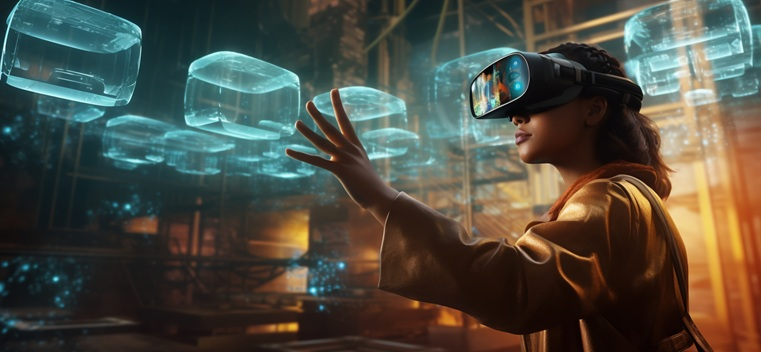
The apps and gaming industry is entering an exciting new era in 2026. From AI-powered mobile apps to immersive gaming experiences, technology companies are competing to create faster, smarter and more engaging digital products.
For consumers, these developments mean more choices and better experiences. For developers, however, the competition is becoming tougher as users expect high-quality performance, strong security and regular innovation.
Artificial Intelligence Is Transforming Mobile Apps
Artificial intelligence has become one of the biggest trends in the app industry. Developers are integrating AI into applications to provide personalized recommendations, automated assistance, image generation, language translation and productivity features.
AI-powered assistants are becoming particularly popular because they can help users complete everyday tasks more quickly. Instead of searching through multiple menus or websites, users can increasingly interact with applications using natural language.
For businesses, AI also offers opportunities to improve customer support and analyze large amounts of data. Retail, finance, education and entertainment apps are among the sectors benefiting from these capabilities.
The trend is expected to continue as smartphones become more powerful and developers gain access to increasingly sophisticated AI tools.
Mobile Gaming Continues to Grow
Mobile gaming remains one of the most important segments of the global gaming industry. Smartphones and tablets allow users to access games almost anywhere, making mobile platforms attractive to both players and developers.
Modern mobile games are also becoming more advanced. Improved smartphone processors, graphics capabilities and high-speed internet connections allow developers to create experiences that were once associated mainly with consoles and PCs.
Multiplayer gaming is another major part of the mobile market. Players can compete or cooperate with people around the world, while online communities and social features help games maintain long-term engagement.
Developers are also experimenting with new business models, including free-to-play games, subscriptions, seasonal content and optional in-game purchases.
Cloud Gaming Could Change the Industry
Cloud gaming is another technology attracting attention in 2026. Instead of running a game entirely on a local device, cloud platforms can process much of the workload on remote servers and stream the experience to users.
Latency, network quality and data usage remain important considerations, particularly in regions where high-speed internet access is still developing.
As internet infrastructure improves, cloud gaming could become a more significant part of the wider gaming ecosystem.
App Stores Are Becoming More Competitive
The app marketplace is also changing. Millions of applications are available to smartphone users, making discoverability a major challenge for developers.
Developers must also focus on user experience, performance, security, ratings and effective marketing.
Artificial intelligence is increasingly being used to help developers understand user behavior and improve applications. Developers can analyze feedback and usage patterns to identify problems and decide which features should be improved.
At the same time, consumers are becoming more selective. Users are less willing to keep applications that consume excessive battery power, storage or personal data.
Privacy and Security Remain Critical
As apps collect more information, privacy and cybersecurity have become major concerns.
Applications can potentially handle sensitive information such as location data, financial details, personal communications and user preferences. This makes security an essential part of app development.
Users are increasingly paying attention to permissions and privacy policies before installing applications. Developers that clearly explain how information is collected and used can build greater trust with their audiences.
Cybersecurity threats are also evolving. Developers must regularly update applications to address vulnerabilities and protect users against new attacks.
AI Is Changing Game Development
AI is not only influencing apps; it is also changing how games are created.
Game developers can use AI-assisted tools for tasks such as testing, animation, dialogue generation, procedural content and player behavior analysis. These technologies can potentially reduce development time and allow smaller teams to experiment with more ambitious ideas.
AI can also make games more dynamic. In the future, players may encounter characters that respond more naturally to conversations and environments that change according to individual playing styles.
However, the use of AI also raises questions about creativity, intellectual property and the role of human developers. The most successful studios are likely to combine AI tools with human creativity rather than relying entirely on automation.
Augmented and Virtual Reality
AR can combine digital information with the real world, while VR provides immersive digital environments.
Gaming is one of the most obvious applications for these technologies, but their potential extends beyond entertainment. Education, training, tourism and retail companies are also exploring immersive experiences.
Hardware improvements could make AR and VR devices more comfortable and accessible over time. If costs decline and software ecosystems become stronger, these technologies could reach a much wider audience.
What Users Can Expect Next
For consumers, the future of apps and games is likely to bring greater personalization, smarter features and more connected experiences.
AI assistants may become standard components of many applications. Games may offer more intelligent characters and personalized content. Cloud technology could make advanced gaming available across a wider range of devices.
At the same time, users will continue to demand better privacy, security and value.
Developers therefore face a difficult balance. They must innovate quickly while ensuring that their products remain reliable, secure and easy to use.
Conclusion
The apps and games industry is changing rapidly in 2026. Artificial intelligence, mobile technology, cloud gaming, immersive experiences and cybersecurity are influencing nearly every part of the digital entertainment ecosystem.
For developers, innovation will remain essential, but understanding users will be equally important. The companies and studios that successfully combine technology with creativity and strong user experiences are likely to stand out in an increasingly competitive market.
For consumers, these changes offer an exciting future. Apps are becoming smarter, games are becoming more immersive and digital entertainment is becoming increasingly accessible.
As technology continues to advance, the boundary between apps, games, social platforms and AI-powered services may become less distinct. The result could be a digital ecosystem where entertainment, communication and productivity come together in ways that are only beginning to emerge.