Fashion Industry in 2026 The Biggest Trends Changing Style, Retail and Luxury
The global fashion industry is entering a new phase in 2026 as changing consumer preferences, artificial intelligence, digital commerce and economic pressures reshape the way brands design, produce and sell clothing. Fashion is no longer driven only by seasonal runway collections. Technology, social media, sustainability, resale platforms and changing shopping habits are becoming equally important to the industry’s future.
From luxury houses to independent designers and online retailers, fashion companies are looking for new ways to attract customers while controlling costs and responding quickly to changing trends.
Artificial Intelligence Is Reshaping Fashion
Artificial intelligence has become one of the most important developments in the fashion industry. Brands are exploring AI for product design, trend forecasting, customer recommendations, inventory management and marketing.
AI-powered systems can analyze large amounts of consumer and market data, helping companies understand what shoppers are interested in and which products are likely to perform well.
The technology is also changing the shopping experience. Personalized recommendations can help customers discover clothing based on their previous purchases, preferences and browsing behavior.
Industry analysts have identified agentic AI as one of the major themes shaping fashion in 2026, alongside resale growth and operational efficiency.
However, AI is not expected to replace creativity. Designers and fashion professionals continue to play an important role in developing brand identity, storytelling and original concepts. Instead, AI is increasingly being used as a tool to support creative and commercial decisions.
Fashion Retail Is Becoming More Digital
Online shopping continues to influence the fashion industry. Consumers increasingly discover products through social media, search platforms, influencers and digital marketplaces before making a purchase.
This has created opportunities for smaller fashion brands. A company no longer needs hundreds of physical stores to reach customers around the world. A strong website, social media strategy and reliable delivery system can allow an emerging brand to build an international audience.
At the same time, competition in online fashion is becoming stronger. Customers can compare prices, designs and reviews within seconds, making brand identity and customer experience increasingly important.
Retailers are therefore investing in faster websites, personalized shopping experiences, mobile applications and improved delivery services.
Resale and Secondhand Fashion Continue to Grow
The resale market is another major development in fashion.
Consumers are increasingly interested in buying and selling pre-owned clothing, shoes and accessories. Resale provides shoppers with access to designer products at lower prices while also extending the life of garments.
For fashion companies, the growth of resale represents both a challenge and an opportunity. Traditional retailers must compete with secondhand platforms, but some brands are also exploring ways to participate in the circular fashion economy.
The expansion of resale also reflects changing attitudes toward ownership. Younger consumers in particular are increasingly comfortable purchasing pre-owned fashion when the product offers quality, uniqueness or value.
Luxury Fashion Focuses on Value and Efficiency
Luxury brands are also adapting to changing market conditions.
The industry is facing a more selective consumer who may still want premium products but is increasingly focused on whether a purchase offers genuine value.
Recent developments at major luxury groups demonstrate how operational efficiency has become an important part of fashion strategy. Gucci’s parent company Kering, for example, has been pursuing cost reductions, portfolio changes and operational improvements while attempting to strengthen the brand’s performance.
This reflects a broader shift in luxury fashion. Creativity and exclusivity remain essential, but financial discipline and efficient operations are becoming increasingly important.
Bold and Individual Style Is Returning
Fashion trends in 2026 are also showing a stronger focus on individuality.
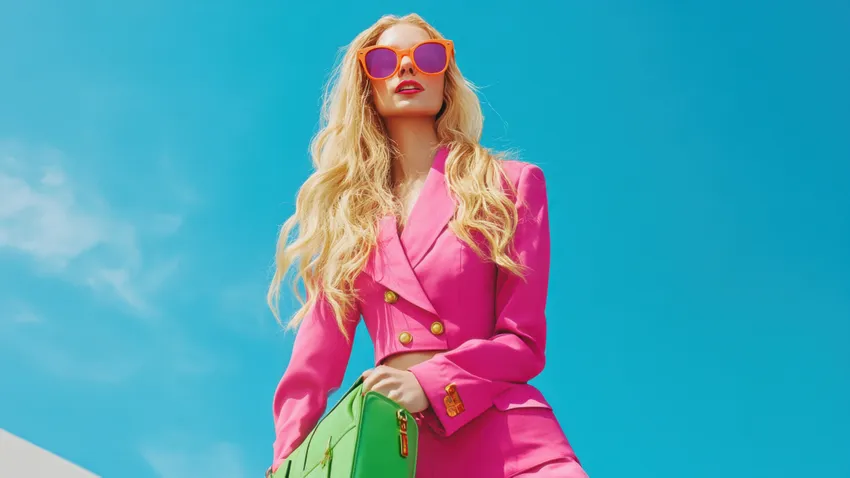
Rather than following one dominant aesthetic, consumers are mixing different styles, eras and influences. Bold colors, statement accessories, vintage-inspired clothing and expressive designs are gaining attention.
E-commerce trend analysis for 2026 has highlighted maximalism, statement-making accessories, bold color combinations and vintage-inspired fashion as important directions.
This trend gives consumers greater freedom to personalize their appearance. Instead of buying an entire look from one brand, shoppers can combine luxury pieces with affordable fashion, vintage clothing and independent labels.
Social Media Continues to Drive Fashion Trends
Social media remains one of the most powerful forces influencing fashion.
A trend can now spread globally within hours. Designers, celebrities, influencers and everyday users can introduce styles that quickly attract millions of views.
For brands, this creates opportunities but also challenges. Fashion companies must respond quickly without sacrificing quality or brand identity.
Short-form video platforms have become particularly important for product discovery. However, fashion marketing is also evolving beyond viral content as brands explore longer-form storytelling, communities and direct relationships with consumers. Current industry coverage shows brands experimenting with different social and content strategies to reach audiences.
Sustainability Remains Important
Sustainability continues to influence fashion, although consumers and regulators are increasingly looking for measurable progress rather than simple marketing claims.
Brands are exploring recycled materials, improved manufacturing processes, longer-lasting products and more responsible supply chains.
The growth of resale is also contributing to the wider discussion around sustainability because extending the life of clothing can reduce the need for constant replacement.
For fashion businesses, sustainability is becoming connected with efficiency. Reducing waste, improving inventory management and producing products that customers actually want can help both the environment and a company’s finances.
Fashion Companies Face Higher Business Pressures
While the industry offers many opportunities, fashion companies also face significant challenges.
Global supply chains remain vulnerable to trade disruptions, changing tariffs and rising costs. Recent developments in U.S. trade policy have created additional uncertainty for fashion companies sourcing products internationally, forcing brands to reconsider manufacturing and sourcing strategies.
These pressures can influence everything from production costs to retail prices.
Companies are therefore looking for more flexible supply chains and better inventory management. Producing too much can result in discounts and unsold stock, while producing too little can cause missed sales opportunities.
The Future of Fashion
The fashion industry of the future is likely to be more digital, personalized and data-driven.
AI will continue to influence design and shopping. Resale will become a larger part of the retail ecosystem. Social media will remain an important source of fashion discovery, while sustainability and supply-chain efficiency will remain key business priorities.
At the same time, creativity will continue to define the industry. Fashion is ultimately about culture, identity and self-expression, and consumers will continue looking for products that make them feel unique.
Conclusion
Fashion in 2026 is changing far beyond the runway. Technology, AI, resale, social media, sustainability and economic pressures are transforming how brands operate and how consumers shop.
The most successful fashion companies will likely be those that can combine creativity with technology and strong business management. Brands must understand their customers, respond to changing trends and provide genuine value while maintaining a clear identity.
As the industry continues to evolve, one thing is certain: fashion will remain one of the world’s most dynamic industries, constantly adapting to new technology, new consumers and new ideas.