Home Improvement Trends in 2026 Smart Upgrades Energy Efficiency and Modern Living
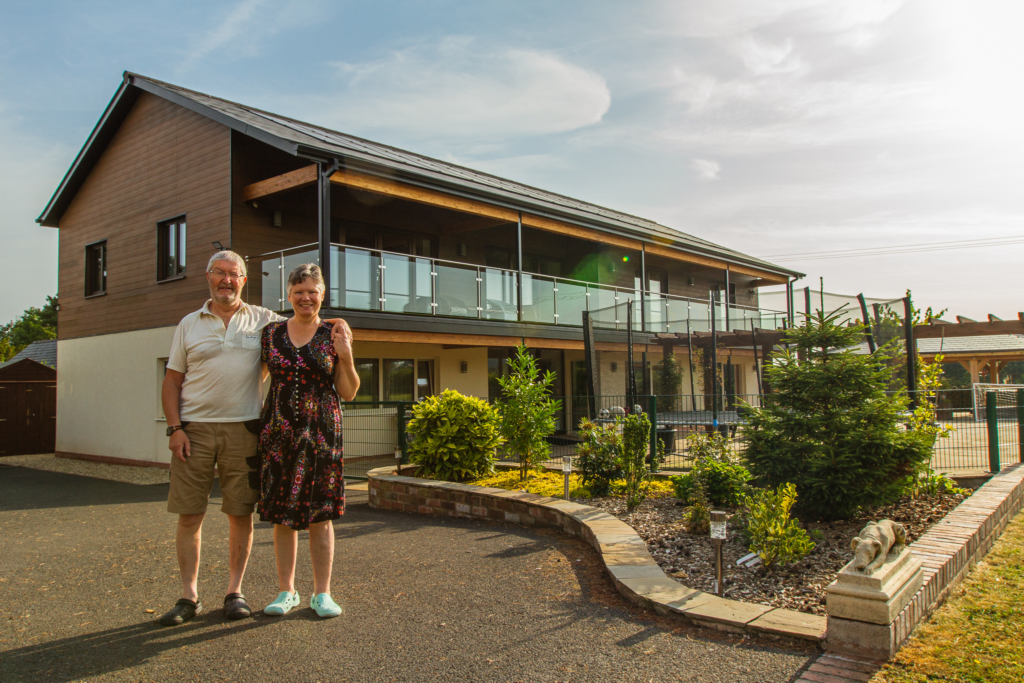
Home improvement is entering a new phase in 2026 as homeowners look for ways to make their properties more comfortable, efficient and practical. Today, homeowners are increasingly considering energy costs, technology, long-term maintenance, accessibility and the future value of their homes.
The remodeling market continues to attract significant spending. Harvard University’s Joint Center for Housing Studies projects that annual homeowner spending on improvements and maintenance will reach approximately $518 billion in 2026, although the pace of growth is.
From smarter kitchens to energy-efficient heating and cooling systems, several trends are shaping the home improvement industry this year.
Kitchen Remodeling Remains a Major Priority
Homeowners are looking beyond simple cosmetic changes and are investing in spaces that combine cooking, storage, dining and social activities.
Modern kitchen renovations increasingly focus on practical layouts, better storage and durable materials. Larger islands, improved lighting and integrated appliances can make kitchens more functional for everyday living.
Smart appliances, connected ovens, efficient refrigerators and automated lighting can provide convenience while helping homeowners manage energy consumption.
Rather than following short-lived design trends, many homeowners are choosing materials and layouts that can remain attractive and useful for years.
Bathrooms Are Becoming More Comfortable
Bathroom renovations are another major area of home improvement.
Homeowners are increasingly treating bathrooms as personal spaces for relaxation rather than purely functional rooms. Walk-in showers, improved lighting, better ventilation and high-quality fixtures can make a bathroom more comfortable and practical.
Accessibility is also becoming increasingly important. Features such as non-slip flooring, wider doorways, grab bars and easy-access showers can make homes more suitable for people of different ages and abilities.
The growing interest in aging-in-place remodeling is particularly significant. The National Association of Home Builders reported that requests for aging-in-place modifications have increased, with 73% of surveyed remodelers saying such requests had significantly or somewhat increased over the previous five years.
Energy Efficiency Is Becoming a Bigger Priority
Better insulation, efficient windows, modern heating and cooling systems, smart thermostats and energy-efficient appliances can all contribute to a more efficient home.
Modern HVAC equipment can improve indoor comfort and, depending on the home and system, potentially reduce energy costs.
Energy-efficient improvements can also make a property more attractive to future buyers because lower operating costs are increasingly considered part of a home’s overall value.
Smart Home Technology Continues to Expand
Smart home technology is moving beyond novelty products and becoming more integrated into everyday living.
Homeowners can now connect lighting, security cameras, thermostats, door locks, appliances and other devices through centralized systems and mobile applications.
Artificial intelligence is also beginning to influence smart-home technology. New systems can potentially learn household routines and automate certain tasks according to user preferences.
However, homeowners should consider privacy and cybersecurity when installing connected devices. Strong passwords, regular software updates and secure home networks are important parts of responsible smart-home ownership.
Homeowners Are Becoming More Careful With Renovation Budgets
Although renovation remains popular, homeowners are becoming more cautious about spending.
Houzz’s 2026 U.S. study found that more than half of surveyed homeowners renovated in 2025, while the median renovation spend remained around $20,000. At the same time, the share planning renovation projects in 2026 declined slightly.
This suggests that homeowners still want to improve their properties but may be evaluating projects more carefully.
Instead of renovating an entire house at once, some homeowners may choose to complete projects in stages. Prioritizing essential repairs and high-use spaces can help keep costs under control.
Practical Improvements Are Gaining Attention
The definition of luxury in home improvement is also changing.
Features that improve comfort, durability and convenience can be more valuable to homeowners than purely decorative upgrades. Better doors and windows, improved storage, reliable appliances and efficient mechanical systems can provide benefits every day.
Recent 2026 home-selling advice has also highlighted updated HVAC systems as an upgrade that can improve comfort, energy efficiency and buyer appeal.
This reflects a wider shift toward practical home improvement. Homeowners increasingly want renovations that solve real problems rather than simply changing the appearance of a room.
Aging-in-Place Design Is Growing
As homeowners plan for the future, aging-in-place improvements are becoming more common.
These projects can include accessible bathrooms, safer flooring, improved lighting, wider pathways and modifications that make daily activities easier.
The trend is important because many homeowners prefer to remain in their current properties rather than move as they get older. NAHB research indicates that aging-in-place work is already a significant part of the remodeling market.
Designing a home for long-term accessibility can therefore be both a lifestyle decision and a long-term investment.
Outdoor Living Spaces Remain Popula
Climate conditions are also influencing outdoor design. Durable materials and water-efficient landscaping can help homeowners manage maintenance and environmental challenges.
Renovation Planning Is More Important Than Ever
One of the biggest lessons from current remodeling activity is the importance of planning.
Unexpected structural problems, material delays and cost increases can quickly turn a small renovation into an expensive project. Homeowners should therefore establish a realistic budget and include room for unexpected expenses.
Hiring qualified professionals for complex electrical, plumbing, structural and mechanical work can also help reduce long-term problems.
A clear project plan should include the expected timeline, materials, labor requirements and major decisions before construction begins.
The Future of Home Improvement
The home improvement industry is likely to become increasingly focused on technology, efficiency and long-term livability.
Smart-home systems will become more sophisticated, energy-efficient equipment will continue to develop and accessible design will become increasingly important.
At the same time, homeowners are likely to remain selective about major spending. The strongest renovation projects will be those that combine attractive design with practical benefits.
Conclusion
Home improvement in 2026 is about more than making a house look better. Homeowners are increasingly investing in comfort, efficiency, safety, technology and long-term value.
Kitchen and bathroom renovations remain popular, while energy-efficient systems, smart-home technology and aging-in-place features are becoming important parts of modern remodeling.
Although renovation spending is expected to grow more slowly later in 2026, the overall market remains substantial.
For homeowners planning their next project, the best approach is to focus on improvements that provide lasting benefits. A well-planned renovation can make a home more comfortable today while also preparing it for the changing needs of tomorrow.