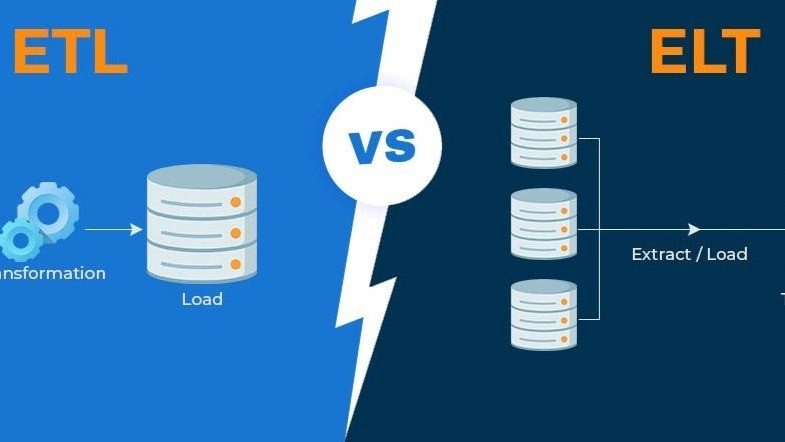
In today’s data-driven world, organizations collect information from multiple sources, including websites, applications, cloud platforms, IoT devices, and customer interactions. However, raw data alone has little value unless it is organized, cleaned, and transformed into meaningful insights. This is where ETL plays a critical role. ETL, which stands for Extract, Transform, and Load, is the foundation of modern data integration and analytics. By following ETL Best Practices, businesses can create reliable, scalable, and efficient data pipelines that improve decision-making and operational performance.
Whether you are a data engineer, business analyst, or IT professional, understanding the right ETL strategies can help reduce errors, improve data quality, and optimize processing time. This guide explores the essential techniques and recommendations for building efficient data pipelines that support long-term business growth.
Understanding the ETL Process
The ETL process consists of three essential stages:
- Extract: Data is collected from multiple sources such as databases, APIs, spreadsheets, cloud applications, and enterprise systems.
- Transform: The extracted data is cleaned, validated, standardized, and converted into a format suitable for analysis.
- Load: The transformed data is stored in a data warehouse, data lake, or another destination where users can access it for reporting and analytics.
Each stage is equally important because a small mistake in extraction or transformation can impact the accuracy of the final dataset.
Why Efficient Data Pipelines Matter
Efficient data pipelines ensure that businesses receive accurate and timely information. Organizations rely on data for forecasting, customer analysis, financial reporting, and operational planning. Poorly designed ETL workflows may result in duplicate records, missing values, inconsistent formats, and delayed reporting.
An optimized pipeline provides several advantages, including:
- Faster data processing
- Improved reporting accuracy
- Better scalability
- Reduced operational costs
- Higher system reliability
- Enhanced business intelligence
These benefits help organizations respond quickly to changing market conditions while maintaining confidence in their data.
Plan Before Building Your Pipeline
A successful ETL project begins with careful planning. Before writing scripts or selecting tools, identify your data sources, destination systems, expected data volume, and business objectives.
Ask important questions such as:
- What data needs to be collected?
- How often should data be updated?
- Who will use the processed data?
- What level of accuracy is required?
- How will errors be handled?
Answering these questions early reduces development time and minimizes future maintenance challenges.
Focus on Data Quality
Data quality is one of the most important aspects of ETL. Even the most advanced analytics cannot produce reliable insights if the underlying data contains errors.
To improve data quality:
- Remove duplicate records.
- Validate required fields.
- Handle missing values carefully.
- Standardize date, currency, and number formats.
- Correct inconsistent naming conventions.
- Apply validation rules before loading data.
Maintaining high-quality data improves reporting accuracy and builds trust among stakeholders.
Choose the Right ETL Tool
The market offers many ETL solutions designed for different business needs. Some organizations prefer cloud-based platforms, while others use open-source frameworks or enterprise software.
When selecting an ETL tool, consider factors such as:
- Ease of use
- Integration capabilities
- Performance
- Security features
- Automation options
- Scalability
- Vendor support
- Cost
The right tool should fit your organization’s current requirements while supporting future growth.
Optimize Performance
Performance optimization becomes increasingly important as data volume grows. Slow ETL jobs can delay business reports and affect productivity.
Several techniques help improve performance:
- Process data in parallel whenever possible.
- Load only incremental changes instead of full datasets.
- Optimize SQL queries.
- Use indexing effectively.
- Archive outdated records.
- Reduce unnecessary transformations.
Monitoring execution time also helps identify bottlenecks before they become serious performance issues.
Automate Routine Tasks
Automation improves consistency and reduces human error. Instead of manually running ETL jobs every day, organizations should schedule workflows using automation tools.
Automated ETL pipelines can:
- Run on predefined schedules.
- Send notifications after completion.
- Retry failed jobs automatically.
- Generate execution reports.
- Monitor workflow status continuously.
Automation saves time and allows technical teams to focus on strategic improvements rather than repetitive operational tasks.
Implement Strong Error Handling
Even well-designed ETL pipelines occasionally encounter failures due to network issues, corrupted files, or unexpected source changes.
A robust error-handling strategy should include:
- Detailed logging
- Automatic alerts
- Retry mechanisms
- Exception tracking
- Backup recovery procedures
Instead of allowing a complete workflow to fail, isolate problematic records and continue processing valid data whenever possible.
Secure Sensitive Information
Modern organizations handle customer information, financial records, healthcare data, and other confidential information. Protecting this data throughout the ETL process is essential.
Security measures should include:
- Data encryption
- Secure authentication
- Role-based access control
- Regular security audits
- Compliance with industry regulations
- Secure network connections
These practices reduce the risk of unauthorized access and help organizations meet legal compliance requirements.
Monitor and Maintain Your Pipelines
Building an ETL pipeline is not a one-time task. Continuous monitoring ensures that workflows remain efficient as business requirements evolve.
Monitor important metrics such as:
- Job execution time
- Failed records
- Processing speed
- Resource utilization
- Data accuracy
- Storage usage
Regular maintenance includes updating transformation logic, improving queries, removing obsolete workflows, and reviewing performance reports.
Document Everything
Comprehensive documentation makes ETL systems easier to understand and maintain. Future developers or administrators should be able to understand pipeline logic without reviewing every line of code.
Documentation should include:
- Data sources
- Transformation rules
- Workflow diagrams
- Scheduling information
- Error-handling procedures
- System dependencies
- Version history
Good documentation reduces onboarding time and simplifies troubleshooting.
Design for Scalability
Business data continues growing every year. ETL systems should be designed with future expansion in mind rather than current workloads alone.
Scalable pipelines can:
- Handle larger datasets.
- Support additional data sources.
- Process increasing user demands.
- Integrate with cloud platforms.
- Expand without major redesign.
Planning for scalability prevents costly infrastructure changes later.
Test Before Deployment
Testing ensures that every transformation produces the expected results.
Perform different types of testing, including:
- Unit testing
- Integration testing
- Performance testing
- Data validation
- Security testing
- User acceptance testing
Testing before deployment significantly reduces production issues and increases confidence in the ETL solution.
Conclusion
Efficient ETL pipelines form the backbone of successful data analytics. Organizations that invest time in planning, maintaining data quality, automating workflows, optimizing performance, and implementing strong security measures achieve more reliable and scalable data integration systems. Following ETL Best Practices helps businesses reduce operational risks, improve reporting accuracy, and make informed decisions based on trusted data.

DNS Magazine News Admin shares informative and engaging content covering technology, business, lifestyle, digital marketing, and trending topics. Our goal is to provide readers with useful, reliable, and easy-to-understand information.