It’s easy to shrug off aches and pains after an accident, thinking they’ll just fade away. But sometimes those so-called “minor” injuries are actually warning signs that something’s not right—and if someone else’s carelessness caused them, there might be more at stake than you realize. Spotting the difference between a harmless bruise and something that needs both medical and legal attention can make a world of difference down the road.
If pain gets worse, swelling doesn’t go down, or symptoms stick around longer than a few days, it’s probably time to get checked out. Ignoring these things can turn a small problem into a much bigger one, sometimes messing with your everyday life or slowing your recovery. And honestly, getting care early means there’s a record of what happened, which can be a lifesaver if you end up dealing with insurance or injury claims.
If you’ve been in an accident and aren’t sure where you stand, it’s worth having a conversation with personal injury attorneys you trust. Not sure if your injury’s serious or if you even have a case? You can always get a free case assessment with Texas personal injury attorneys.
When ‘Minor’ Injuries Signal a Serious Problem
Some injuries seem simple at first glance, but they can hide bigger issues that need quick attention—sometimes from both doctors and lawyers. Paying attention to certain signs and knowing which injuries tend to slip under the radar can save you a lot of trouble later.
Warning Signs: When Soreness Is More Than Just Discomfort
Pain that lingers or gets worse after an injury isn’t something to brush off. If swelling won’t go away, there’s tenderness that feels sharper than expected, or bruising changes color or spreads, don’t just wait it out.
Numbness, tingling, or trouble moving a limb? That could mean nerves or blood vessels are involved. And if you get a cut that bleeds heavily and doesn’t stop after pressing on it for a while, it’s time to see a doctor—better safe than sorry.
Other red flags: hearing a pop at the moment you got hurt, not being able to put weight on a limb, or pain that just won’t quit even after rest and ice. These aren’t things to tough out; they could mean a fracture or torn ligament.
Common Injuries That Often Get Overlooked
Things like ligament tears, muscle pulls, and even some cuts might look like no big deal, but they can be sneaky. Sprains and strains, especially in wrists or ankles, sometimes hide fractures or unstable joints unless a doctor checks them out.
Deep skin wounds, even if they’re small, might have done more damage beneath the surface—especially if there’s tingling, you can’t move something, or there’s dirt stuck deep inside. Bruises are usually harmless, but if they’re huge, super painful, or near your belly or back, they might mean something more serious is going on.
It’s easy to ignore these injuries, but doing so can lead to nagging problems that stick around. If you notice swelling, pain that won’t go away, or bruising that keeps spreading, it’s probably time to check in with a professional.
Red Flags for Internal Injuries and Head Trauma
Even a light bump on the head can turn out to be more than it seems. If you pass out, feel confused, dizzy, or your speech is off, that’s a sign to get help right away. Nausea, vomiting, sensitivity to light, or headaches that get worse? Don’t wait around—head injuries can get much worse if ignored.
Internal injuries aren’t always obvious. Sharp pain when you breathe, swelling or weird colors near your ribs, shallow breaths, or coughing up blood all need urgent attention. If you feel faint or your breathing gets worse after chest trauma, don’t try to tough it out—get checked out ASAP.
Staying aware of these warning signs means you’re more likely to catch something serious before it spirals. Not all injuries show up on the surface, and sometimes the most dangerous ones are hidden.
Getting the Right Help: Medical and Legal Steps
Figuring out when to get professional help—and when to talk to a lawyer—can really affect how things turn out, both for your health and your finances. Good medical care makes sure you heal right, and legal advice can keep you from getting shortchanged.
When and Where to Seek Medical Attention
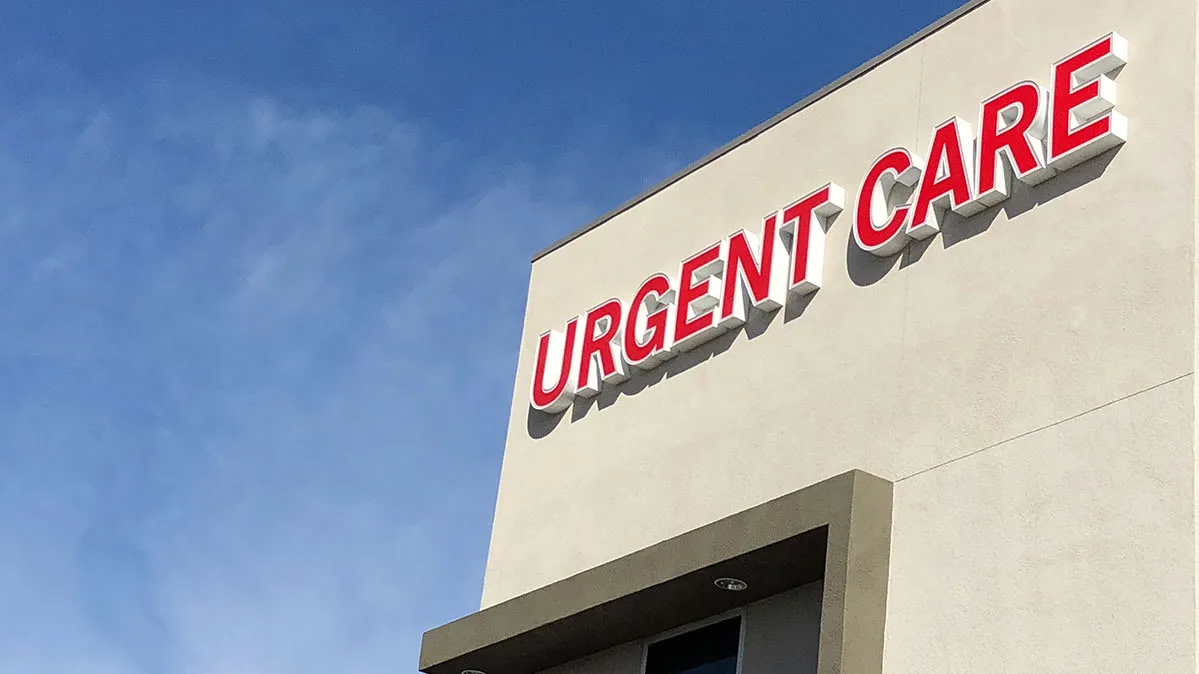
If your pain or symptoms are getting worse, don’t wait. Head to the ER for things like deep burns, broken bones, or if you suspect a torn ligament. Urgent care is a quicker option for stuff like moderate sprains or cuts that might need stitches.
Some injuries, like internal bleeding or head trauma, can be sneaky and not show up right away. First aid is great for stabilizing things in the moment, but a real medical evaluation is what’ll keep complications at bay. Sometimes you’ll need surgery or a specialist, and it’s important to actually follow the doctor’s advice—even if it’s inconvenient.
The Importance of Timely Legal Advice
Getting legal advice soon after an injury helps protect your chance to get compensation for things like medical bills and lost wages. There are deadlines, and missing them can really hurt your case.
A good injury lawyer can walk you through your rights and deal with the insurance company so you don’t have to. Reaching out early can take a load off your mind and make it more likely you’ll get a fair deal. Plus, lots of firms offer free consultations, so you can figure out your options without worrying about upfront costs.
Documenting Your Injury for Medical and Legal Claims
Careful documentation really does make a difference, both for your medical care and if you end up needing to make a legal claim. It’s smart to hang onto records—dates, treatment notes, even those little changes in symptoms you might notice. Snapping photos of bruises or the scene itself? That can go a long way toward showing what actually happened.
Jotting down details like when and where everything occurred, what the weather was like, and who else was around helps fill in the story. Doctors use this info to figure out the best way to treat you, and if you need a lawyer, it makes their job a whole lot easier when it comes to showing what you’ve been through. Don’t forget to mention how your injury messes with your day-to-day missed shifts at work, things you can’t do at home, that sort of thing.

DNS Magazine News Admin shares informative and engaging content covering technology, business, lifestyle, digital marketing, and trending topics. Our goal is to provide readers with useful, reliable, and easy-to-understand information.